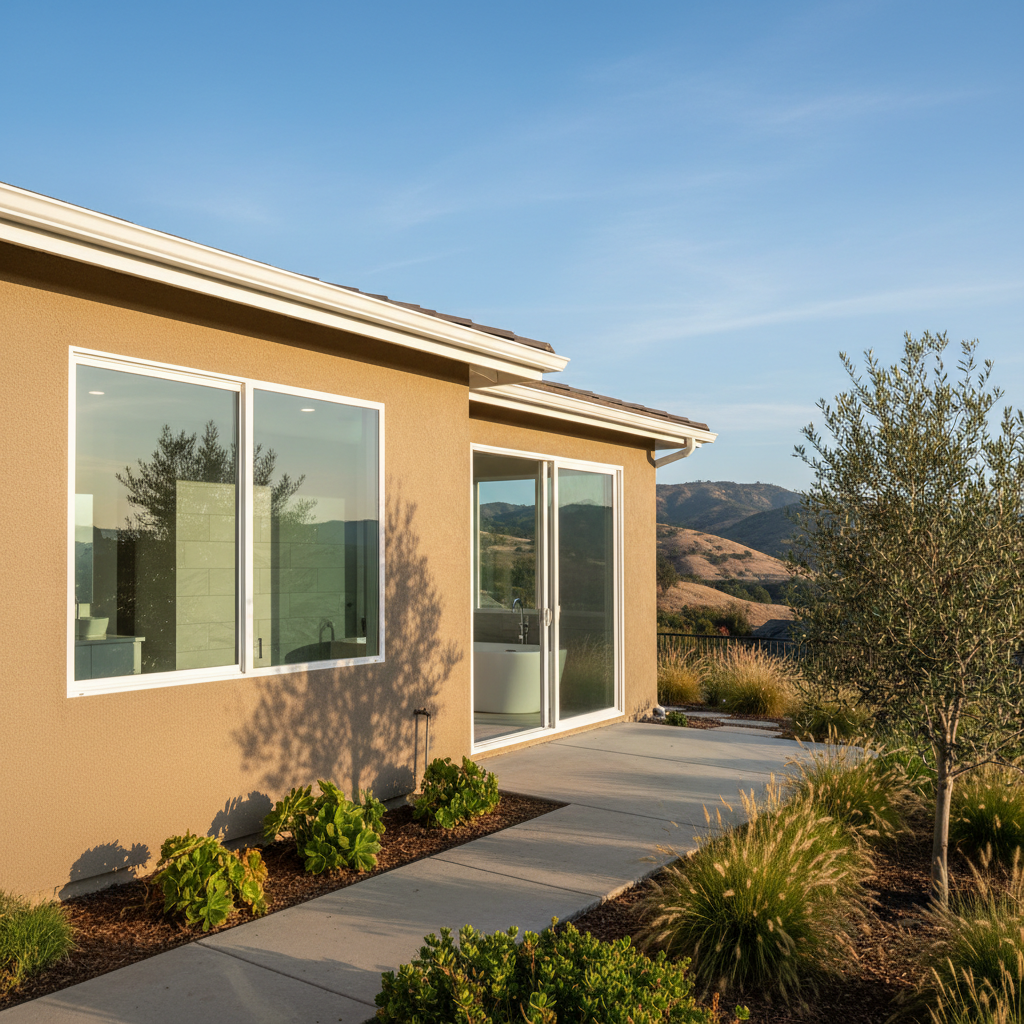
So, you’ve finally done it – maybe added that extra shower or got the double vanity you’ve always wanted. Your new bathroom in Brea looks amazing, right? That’s fantastic! But here’s the thing: a remodel isn't just a "set it and forget it" kind of deal. To truly make that investment last and keep everything looking great, you'll need to put in some consistent effort. Think of it as protecting your home's value, especially given Brea's unique climate and soil conditions.
Making Your Bathroom Expansion Last
When we talk about making your bathroom last, we're really talking about protecting the materials and all that hidden stuff behind the walls. This means being smart about moisture, cleaning things the right way, and just keeping an eye on things.
- Ventilation is Super Important: Even though Brea is mostly dry, humidity can still build up in a bathroom, especially after a long, hot shower. You absolutely need to run that exhaust fan every single time you shower or bathe, and let it go for at least 15-20 minutes afterward. If you don't have one, or if it's not venting outside like it should, that’s a problem you need to fix. Good ventilation stops mold and mildew from growing on your beautiful new tile and grout. Plus, it protects your drywall and paint from moisture damage.
- Seal Your Grout and Caulk: This is a big one. Grout is porous, and caulk just wears out over time. In a wet place like a bathroom, especially around showers and tubs, these really need attention. I always tell people to seal their grout right after it’s installed, and then re-seal it every year or two. For caulk, just watch it. If it starts to crack, peel, or shows mildew that won't scrub off, it's time to re-caulk. This creates a watertight barrier, stopping water from getting into your walls and subflooring — which can cause really expensive damage.
- Watch Out for Hard Water: Brea water, oh boy. It’s famously hard, often measuring between 160-230 PPM. This means mineral buildup, or scale, is a real pain for your fixtures, showerheads, and even inside your pipes. Make sure to regularly clean your showerheads and faucets to get rid of those mineral deposits. You might even want to think about a whole-home water softener; it really helps protect your plumbing system and appliances in the long run.
- Clean Smart, Not Hard: Use the right cleaners for your surfaces. Harsh, abrasive chemicals can ruin the finishes on your fixtures, tile, and stone. Mild, pH-neutral cleaners are usually best for daily wipe-downs. For silicone caulk, a little mild soap and water often does the trick for regular cleaning.
Your Maintenance Checklist
Here’s a quick list of what you should be doing to keep your expanded bathroom in great shape:
- Daily/Weekly: Wipe down surfaces, dry off shower walls and doors after use, and run that exhaust fan. This keeps soap scum and mildew from building up.
- Monthly: Clean drains to prevent clogs from hair and soap. Check the visible pipes under sinks for any leaks or dampness. Give your grout and caulk a good look-over for any discoloration or cracks.
- Quarterly: Deep clean your tile and grout. If you have natural stone, use cleaners specifically made for it. Inspect your shower pan for any leaks, especially if you're in an older home in places like Olinda Ranch where shifting soil can really put stress on plumbing.
- Annually: Re-seal your grout if it needs it. Check the caulking around your tub, shower, and sink. If it looks worn, peel it out and replace it. This little job can save you from big headaches later.
Warning Signs: Don't Ignore These!
Your bathroom will often tell you when something’s wrong. Pay attention to these red flags:
- Musty Smells: If you keep smelling something musty or moldy, even after cleaning, that’s a huge warning sign. It often means hidden moisture or mold growing behind walls or under the floor.
- Stains or Discoloration: Yellow, brown, or dark stains on walls, ceilings, or around fixtures are classic signs of a leak. Don't just paint over them; find out where the water is coming from.
- Peeling or Bubbling Paint/Wallpaper: Moisture trapped behind surfaces can make paint peel or bubble.
- Soft or Spongy Flooring: If your floor feels soft, spongy, or warped, especially near the toilet, tub, or shower, you probably have water damage to the subfloor.
- Cracked or Loose Tiles/Grout: Grout and caulk protect what’s underneath. If tiles are moving, loose, or if grout is cracked, water can seep through and cause damage.
- Visible Mold Growth: While you can clean surface mold, if it keeps coming back in the same spot, or you see it on walls or ceilings, there's likely a deeper moisture problem.
- Reduced Water Pressure or Rusty Water: In older Brea homes, especially those with original galvanized pipes, this can point to corrosion and mineral buildup.
- Unexplained High Water Bills: This is a general sign of a leak somewhere in your home, and the bathroom is a common suspect.
When to Call a Professional
Some things are just too much for a DIY fix, and that’s perfectly fine. Knowing when to call in a pro can save you a lot of stress and money down the road.
- Persistent Leaks: If you’ve got a drip you can't stop, or you suspect a hidden leak behind a wall or under the floor, get a plumber out there. Hidden leaks can cause serious damage really fast.
- Slab Leaks: These are pretty common in Brea, especially in homes built on slab foundations in areas where the soil shifts, like some of our hillside neighborhoods. If you hear running water when no fixtures are on, or have warm spots on your floor, call a professional immediately.
- Major Grout or Tile Issues: If you have widespread cracked grout, loose tiles, or think your shower pan might be compromised, a tile and grout specialist or a general contractor is your best bet. They can figure out how bad the damage is and fix it correctly.
- Plumbing Blockages You Can't Clear: Stubborn clogs that a plunger or basic drain cleaner can’t handle might mean a deeper issue in your main line, possibly even tree roots getting in, which happens with Brea's mature trees.
- Any Signs of Structural Damage: Warped walls, sagging ceilings, or soft floors are serious business. These could mean significant water damage that needs immediate professional assessment and repair to stop further structural problems.
Look, your bathroom expansion was an investment in your home and your comfort. Taking a little time for regular maintenance, and knowing when to call in the experts at Brea Bathroom Solutions, will make sure that investment pays off for many years to come. It’s all about being proactive, especially with the unique challenges our homes face right here in Brea.