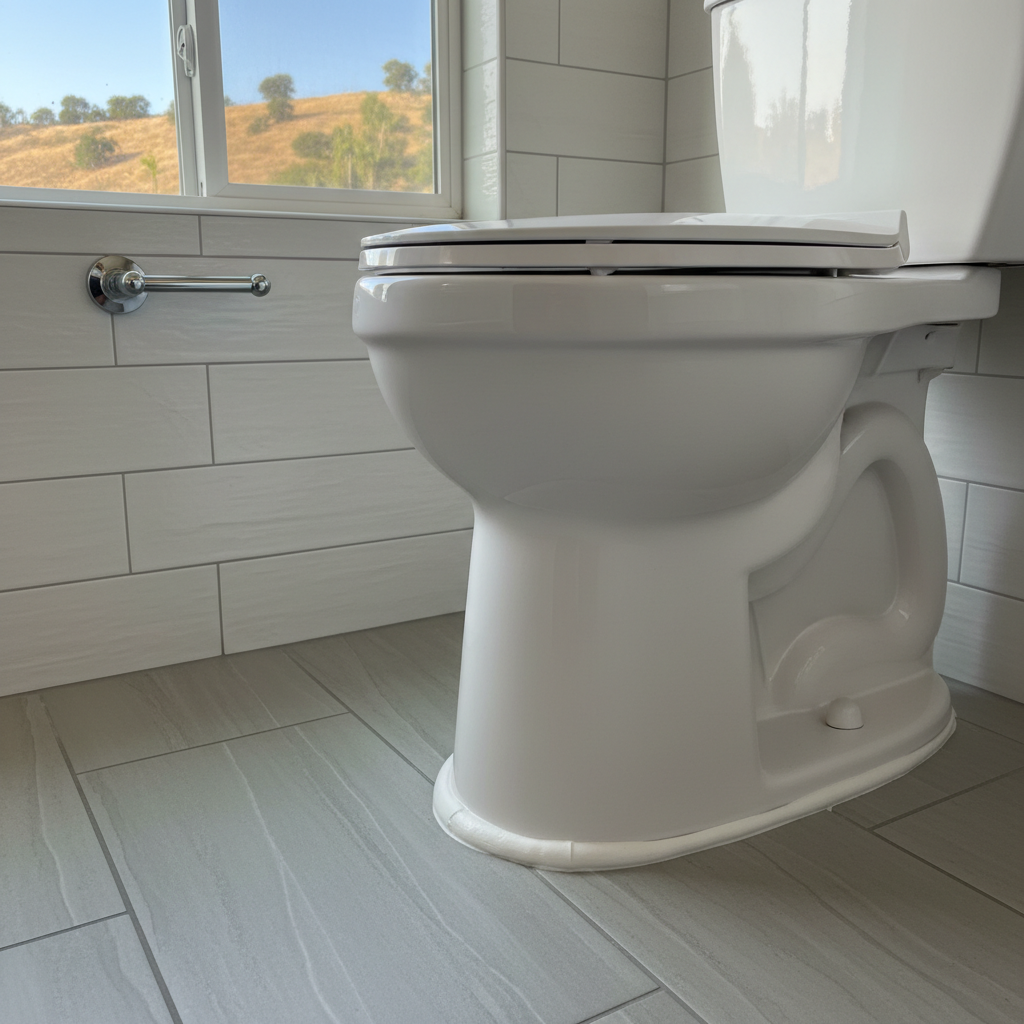
Alright, let's talk toilets. It's not the most glamorous part of a bathroom remodel, but it's definitely one of the most important. I get a lot of questions from folks around Brea about toilet installations, whether they're upgrading, replacing an old one, or just dealing with a leaky mess. So, I figured I'd lay out the honest truth about what you need to know.
How much does a new toilet installation really cost?
This is always the first question, and it's a good one. Look, the cost isn't just the toilet itself. You've got the fixture, obviously, and those can range from a couple hundred bucks for a basic model to over a thousand for something high-tech or designer. Then there's the labor. For a straight-up replacement where the plumbing's already there and in good shape, you're probably looking at a few hundred dollars for installation. But if we're talking about moving the toilet's location, rerouting drain lines, or dealing with old, corroded shut-off valves, that's where the costs climb. We've seen homes in the Brea Hills area, for example, with some really old plumbing setups that need a bit more TLC. Always get a clear quote that breaks down the toilet cost and the labor, and make sure it includes hauling away the old unit.
What's the deal with different toilet types? Which one should I get?
There are more choices than you might think, but it mostly boils down to a few key things. You've got your standard two-piece toilets, where the tank and bowl are separate. These are usually more affordable and easier to install if you're doing it yourself (though I recommend against that unless you really know what you're doing). Then there are one-piece toilets. They're sleeker, easier to clean because there are no seams, and often a bit more expensive. They're also heavier, so they can be a bit more of a beast to get into place.
Beyond that, you'll hear about:
- Gravity-fed: Most common. Water just falls from the tank into the bowl. Simple, reliable.
- Pressure-assisted: These use air pressure to force water into the bowl, giving a more powerful flush. They're louder but great for homes that have had issues with clogs.
- Wall-mounted: Tank is hidden in the wall, saving space. Super modern look, but a more complex installation and generally pricier.
- Dual-flush: Two buttons, one for liquid waste (less water) and one for solid (more water). Great for water conservation, which is always a good idea here in Southern California.
My advice? Think about your budget, the space you have, and how important water efficiency and ease of cleaning are to you. Don't cheap out on something you'll use every day.
Can I install a toilet myself, or do I need a pro?
Okay, let's be real. Can you physically put a toilet in place? Maybe. But should you? That's a different question entirely. I've seen plenty of DIY toilet installs that end up leaking, rocking, or having flushing issues because the wax ring wasn't seated right, the bolts weren't tightened correctly, or the supply line wasn't properly connected. A leaky toilet can cause serious water damage to your subfloor and even the ceiling below, especially in older Brea homes where the wood might be more susceptible. Unless you're genuinely experienced with plumbing, I always recommend hiring a professional. We've got the right tools, the know-how, and we can spot potential issues before they become major headaches.
What's a 'rough-in' and why does it matter?
The rough-in is basically the distance from the finished wall behind the toilet to the center of the drainpipe (the flange) in the floor. The standard rough-in is 12 inches, but you can find 10-inch and 14-inch rough-ins too. It matters because if you buy a toilet with a 12-inch rough-in and your bathroom has a 10-inch rough-in, it simply won't fit right against the wall. Measure this distance accurately before you even start shopping for a new toilet. It'll save you a ton of frustration and a trip back to the hardware store.
How long does a toilet installation take?
For a straightforward replacement where everything's up to code and the plumbing's in good shape, we can usually get it done in a couple of hours. That includes removing the old toilet, cleaning the flange, setting the new one, connecting the water supply, and testing it out. If there are complications – like a corroded flange, a leaky shut-off valve, or if we're moving the toilet's location and having to cut into the floor or wall – then it's going to take longer, potentially a half-day or even a full day depending on the scope of work.
What should I do to prepare for the installation?
Not much, honestly. We'll handle most of it. But it helps if you can clear out the area around the toilet. Move any bath mats, wastebaskets, or anything else that's in the way. If you've got delicate decor nearby, it's a good idea to move that too, just to be safe. We'll need access to the water shut-off valve for the toilet, so make sure that's not hidden behind a mountain of cleaning supplies. Other than that, just be ready to show us what you're looking for, and we'll take it from there. Here at Brea Bathroom Solutions, we aim to make it as painless as possible for you.
Any tips for maintaining my new toilet?
Absolutely. Don't use those in-tank drop-in cleaners that slowly dissolve. They can damage the rubber and plastic components inside your tank over time, leading to leaks and flushing issues. Stick to cleaning the bowl with a brush and appropriate cleaner. Also, be mindful of what you flush. Only flush human waste and toilet paper. Wipes, even if they say 'flushable,' can cause serious clogs in your pipes and the city's sewer system. And if you notice any running water or a weak flush, don't ignore it. A small repair now can prevent a bigger problem later.
What if my new toilet leaks after installation?
If you hired a professional, they should stand by their work. Most reputable contractors, including us, offer a warranty on labor. If you notice a leak, even a small drip, after we've left, call us immediately. It's usually something simple like a loose connection or a wax ring that needs reseating, but it needs to be addressed right away to prevent damage. Don't try to fix it yourself if you're not sure what you're doing; you could make it worse. We'll come back and make it right.